Potential sensor-assembly application

Sensor Laser Soldering

Sensor assemblies can include small conductive features, sensitive housings and tight access around the required joint. The relevant question is not whether every sensor is suitable, but whether the component design permits a stable local soldering process.

Application challenge

Start with the real assembly environment

Nearby materials, package sensitivity and joint access may all influence the test plan. Engineering evaluation should identify the actual solder location and the conditions around it before selecting equipment.

Joint geometry

Define the working envelope

Useful inputs include pad and lead dimensions, material stack-up, allowable approach direction, heat-sensitive zones and available fixture datum surfaces.

Sensor package evaluation

Application-specific engineering questions

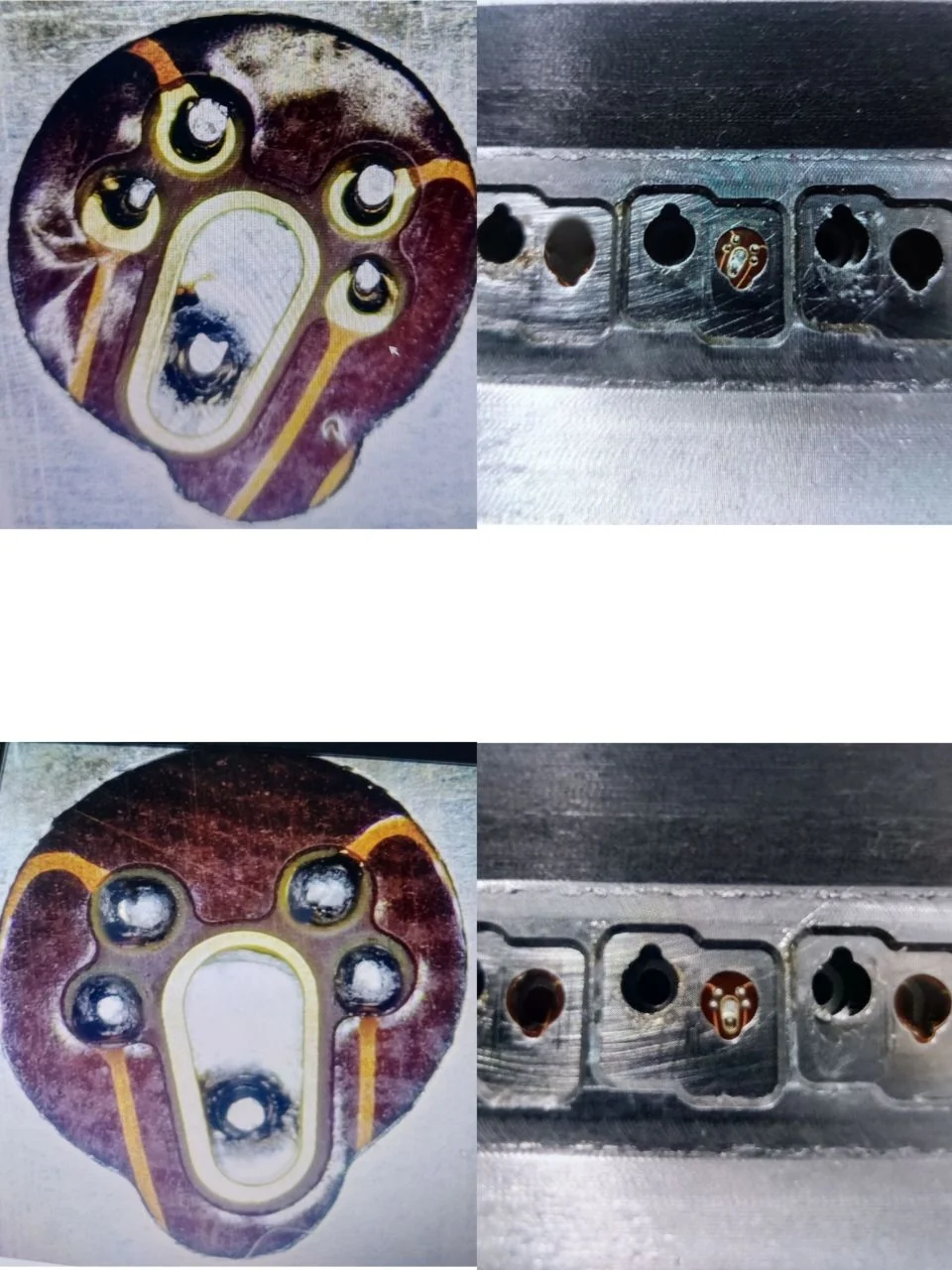
Supplied process and sample evidence supports the reading experience without being presented as an undocumented customer project.

01

Define the sensitive zone before selecting the tool

Sensor assemblies vary widely in package design, materials and permitted handling. The test plan should identify the solder target, nearby sensitive structures, accessible surfaces and the relevant fixture datum before a process configuration is proposed.
02

Fixture and positioning have to be considered together

The workholding strategy determines whether the relationship between the nozzle and joint can be repeated. Depending on the part, a stable fixture reference may be sufficient or a vision-based confirmation may be worth evaluating. Neither should be represented as a universal solution.

03

Evidence should remain specific to the tested assembly

Sample results are most useful when they are read alongside the actual part, surface condition and inspection requirement. The site uses supplied process and sample imagery to explain the type of evaluation, not to claim qualification for an unidentified sensor product.

Application development guide

Move from a component label to a defined process question

Sensor packages vary substantially in materials, sensitivity, access and handling requirements. The right question is whether a defined joint can be evaluated under a controlled process plan, not whether a generic “sensor” label establishes suitability.

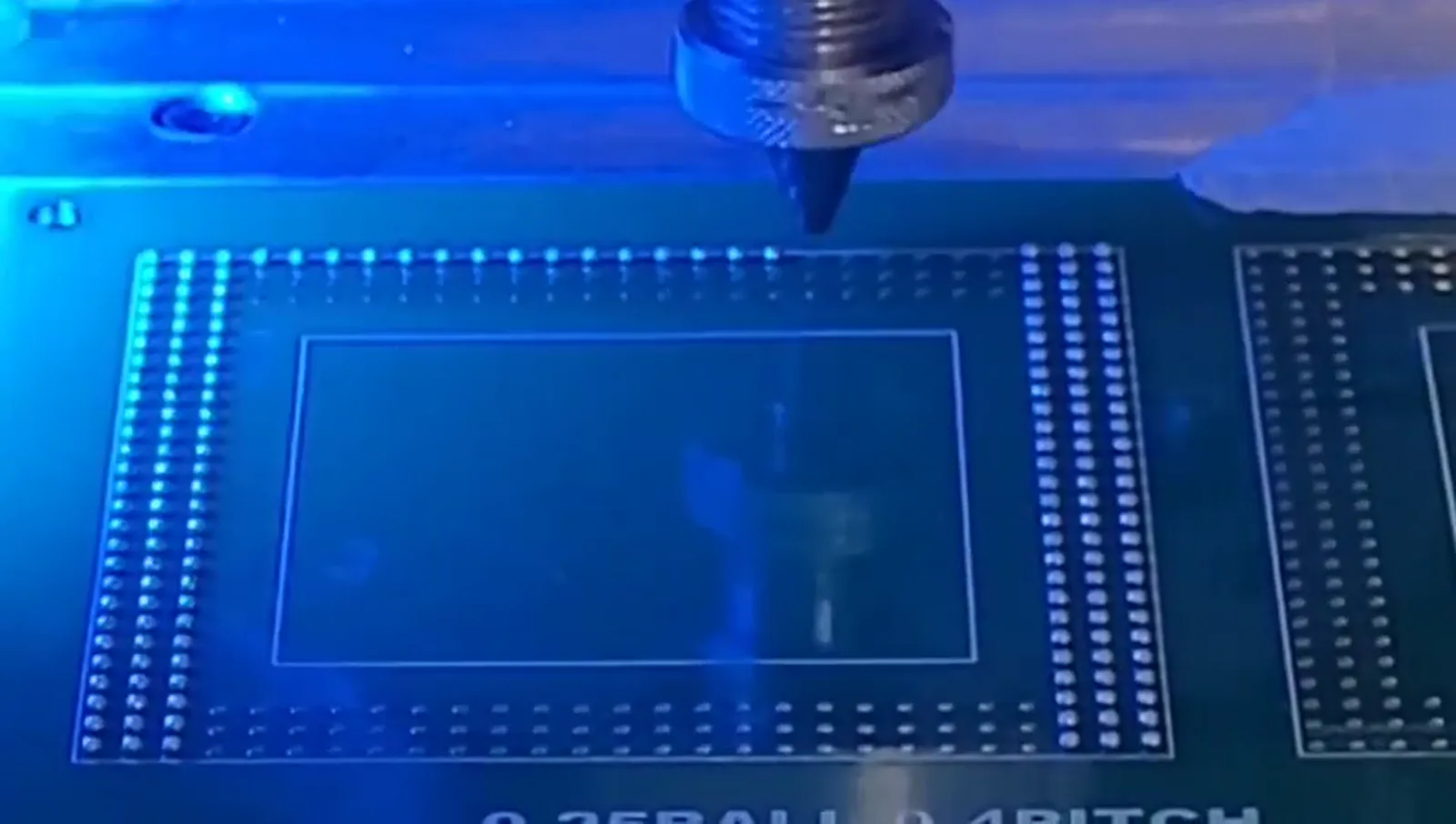
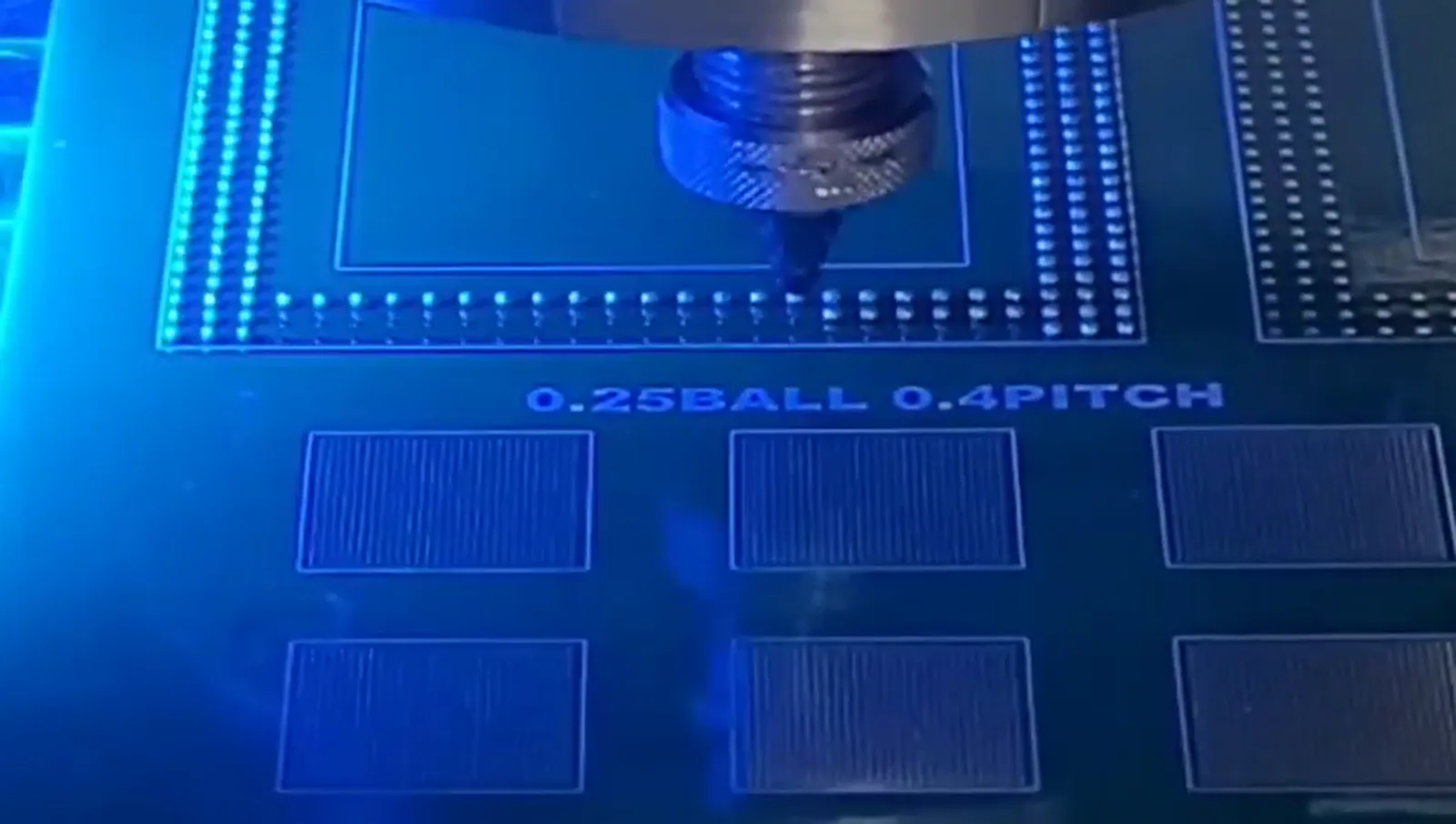
Supplied process frame showing a supported workpiece during localized laser soldering
Supplied workpiece-support context used for a sensor evaluation discussion; package identity and qualification remain unknown.

Evidence-aware process context

Use real supplied visuals to frame the review, not to overstate the result

The visible process relationship is useful for discussing access, fixture support, motion and position reference. It does not prove a material, industry or qualification claim for an unlabelled sample. The final process path should follow the component information and a representative evaluation.

Prepare a sample evaluation →

05

Define the target and sensitive surroundings

Identify the target connection, adjacent package features, accessible surfaces and any known restrictions around the component. The workpiece may require local support, a protected orientation or an approach that avoids nearby features. Record what is known and leave unknown material or package information explicit rather than assuming a thermal response. This creates a practical starting point for a trial without representing a supplied process image as evidence for an unidentified sensor product.

06

Make the reference and fixture visible in the test

A stable fixture and meaningful datum connect the supported component to the jetting position. A mechanical reference may be sufficient for one package, while another may need a defined vision reference. In either case, the process owner should identify what variation is being controlled and how it will be checked. The supplied ±10 μm vision value belongs to one described system and does not promise a result for a different sensor package.

07

Judge evidence against the owner’s criteria

Visible joint appearance can support an engineering discussion, but inspection, electrical, mechanical or reliability conclusions belong to the actual customer test plan. A sample record should distinguish the selected ball and conditions, fixture, location strategy and observed result. Any later automation concept is then grounded in the tested application rather than a broad production claim.

Useful inputs

Prepare the information that can make a process review specific

  • Package and joint close-ups
  • Known material/keep-out information
  • Fixture or datum constraints
  • Inspection or customer-defined test requirements

What matters in evaluation

Process considerations for Sensors

A feasibility review makes part-specific constraints explicit before automation is selected.

01

Component-specific thermal and handling review

02

Workholding that maintains a repeatable datum

03

Controlled ball placement relative to pad geometry

04

Trial inspection criteria agreed with the customer

Configuration path

Choose the system after the process

The appropriate configuration may range from a compact trial platform to a custom cell, based on the sensor’s handling and production flow.

Explore custom automation

How to test

Prepare a useful sample evaluation

Provide drawings, sample images, current process, expected joint count and any stated process limitations for review.

View sample-testing process

Supplied sample evidence

Local processing, visible sample context

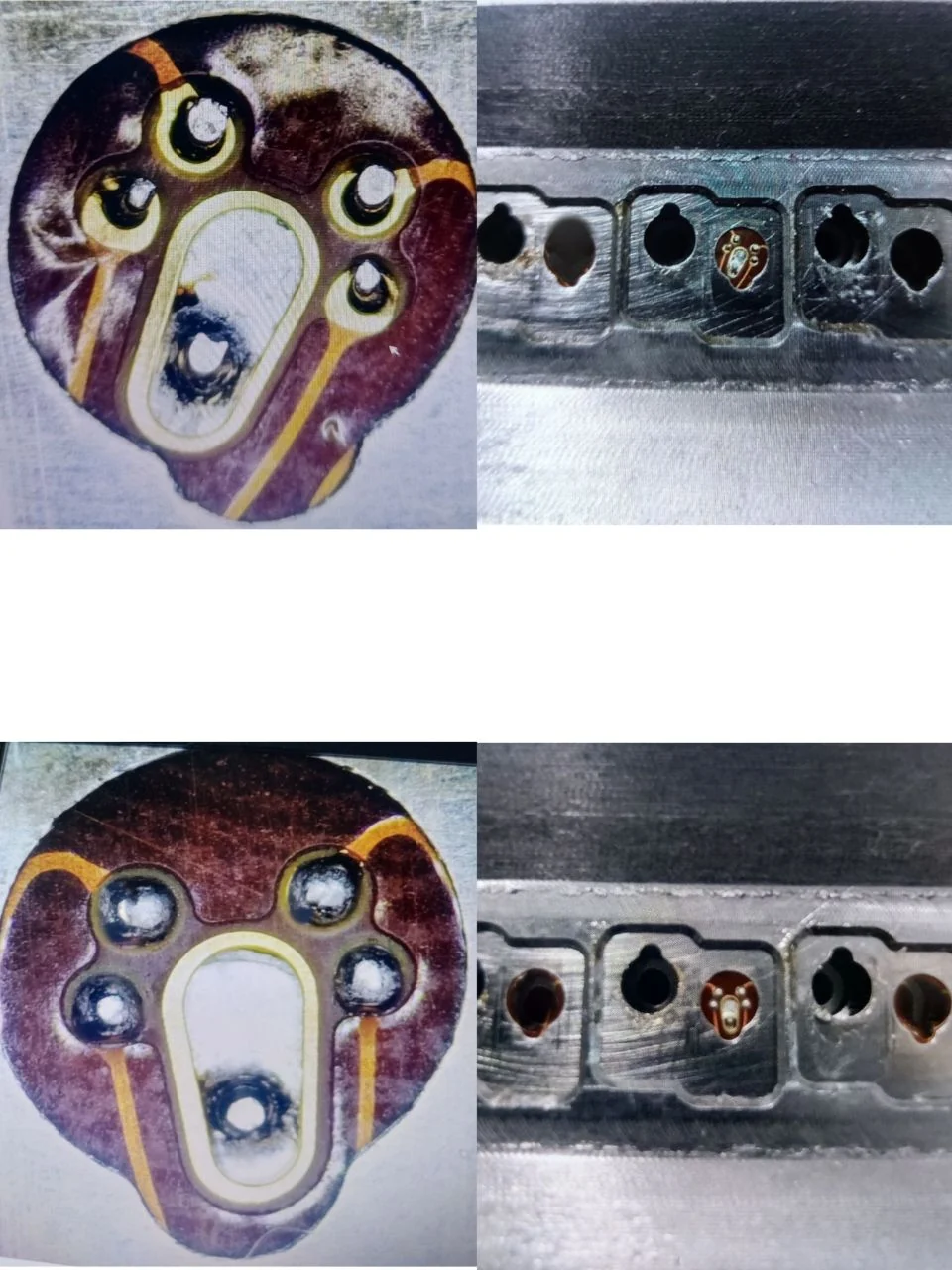
Sample photography supports technical discussion without attributing imagery to an undocumented customer or claiming mass-production results.

Real supplied sample imagery

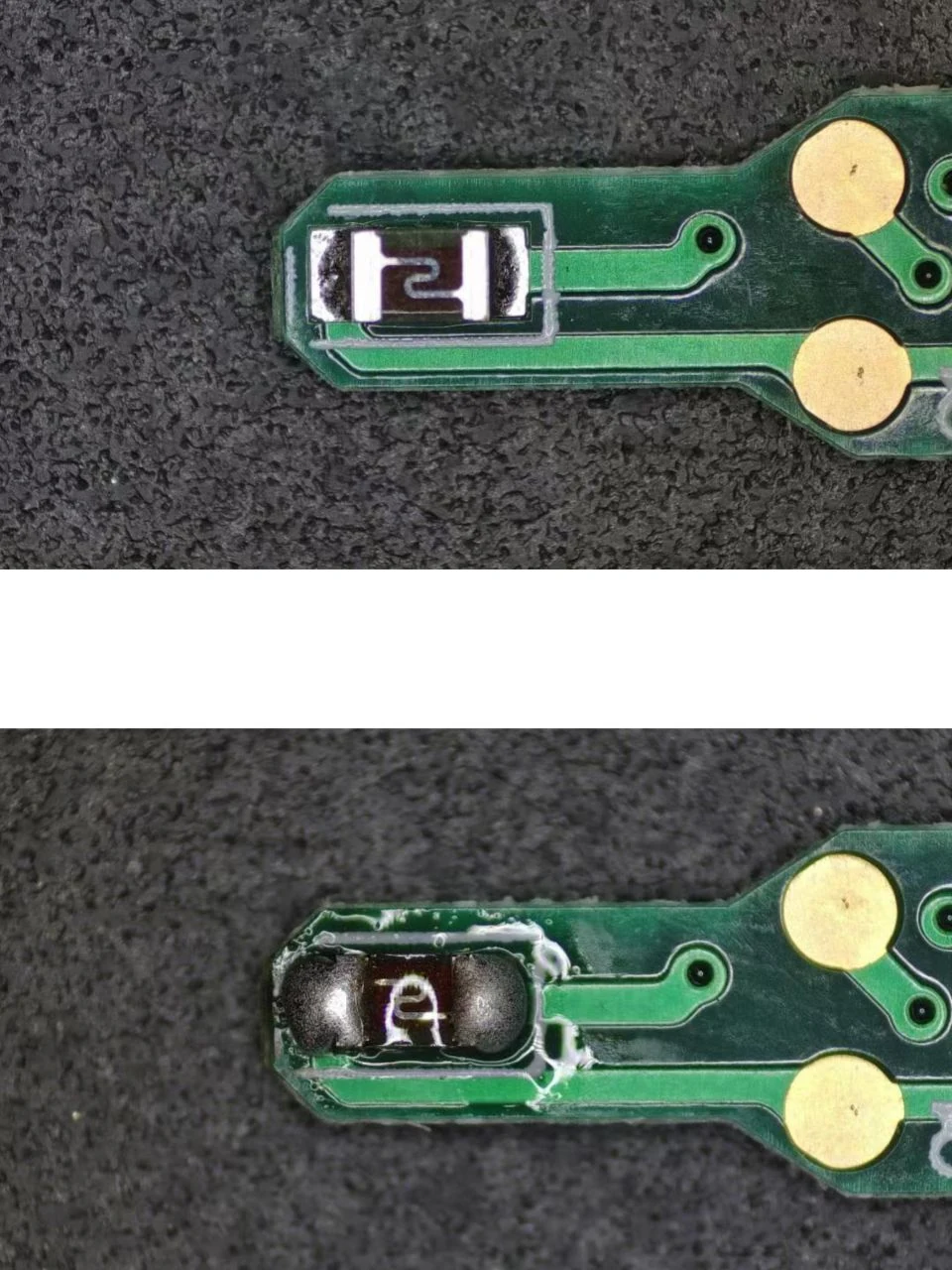
Sample solder joint before / after processing

Before / After
Sample solder joint before laser solder ball processing
Before soldering
Sample solder joint after laser solder ball processing
After laser solder ball processing

Real supplied images; visible appearance should be judged against the requirement for the actual component.

Have a micro-soldering application to evaluate?

Send the component information. Start with the process.

Share drawings, sample photographs or soldering requirements. The engineering discussion can connect the component to a suitable process and machine configuration.

WhatsApp Email