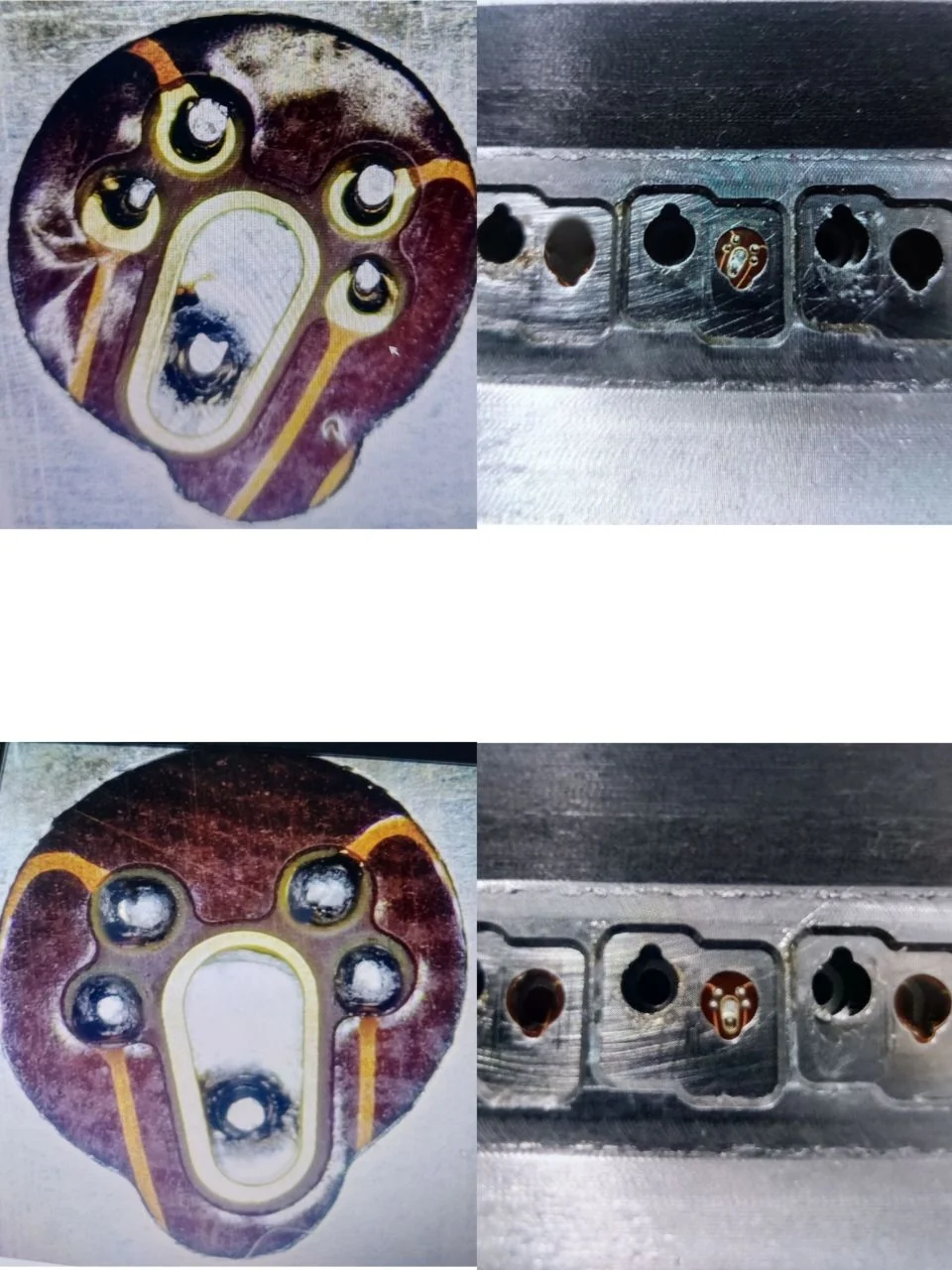
Potential MEMS application

MEMS Laser Soldering

MEMS-related assemblies require especially careful application review because package design, thermal pathways and component sensitivity can vary significantly. Laser solder ball jetting can be explored as a localized process option only through representative sample evaluation.

Application challenge

Start with the real assembly environment

The process must be considered in the context of the complete assembly—not just the pad. Handling, fixture stiffness, local heat response and solder geometry are all relevant.

Joint geometry

Define the working envelope

The review examines package access, bond-pad size, nearby features, allowable nozzle path, potential optical/vision references and part presentation.

MEMS process-development questions

Application-specific engineering questions

Supplied process and sample evidence supports the reading experience without being presented as an undocumented customer project.

01

Package variation needs sample-first review

MEMS-related assemblies can differ in their thermal path, package sensitivity, joint access and handling requirements. The responsible approach is to define the actual target connection, surrounding features and any restrictions before drawing a conclusion about a local soldering process.
02

Local delivery does not remove the need for protection

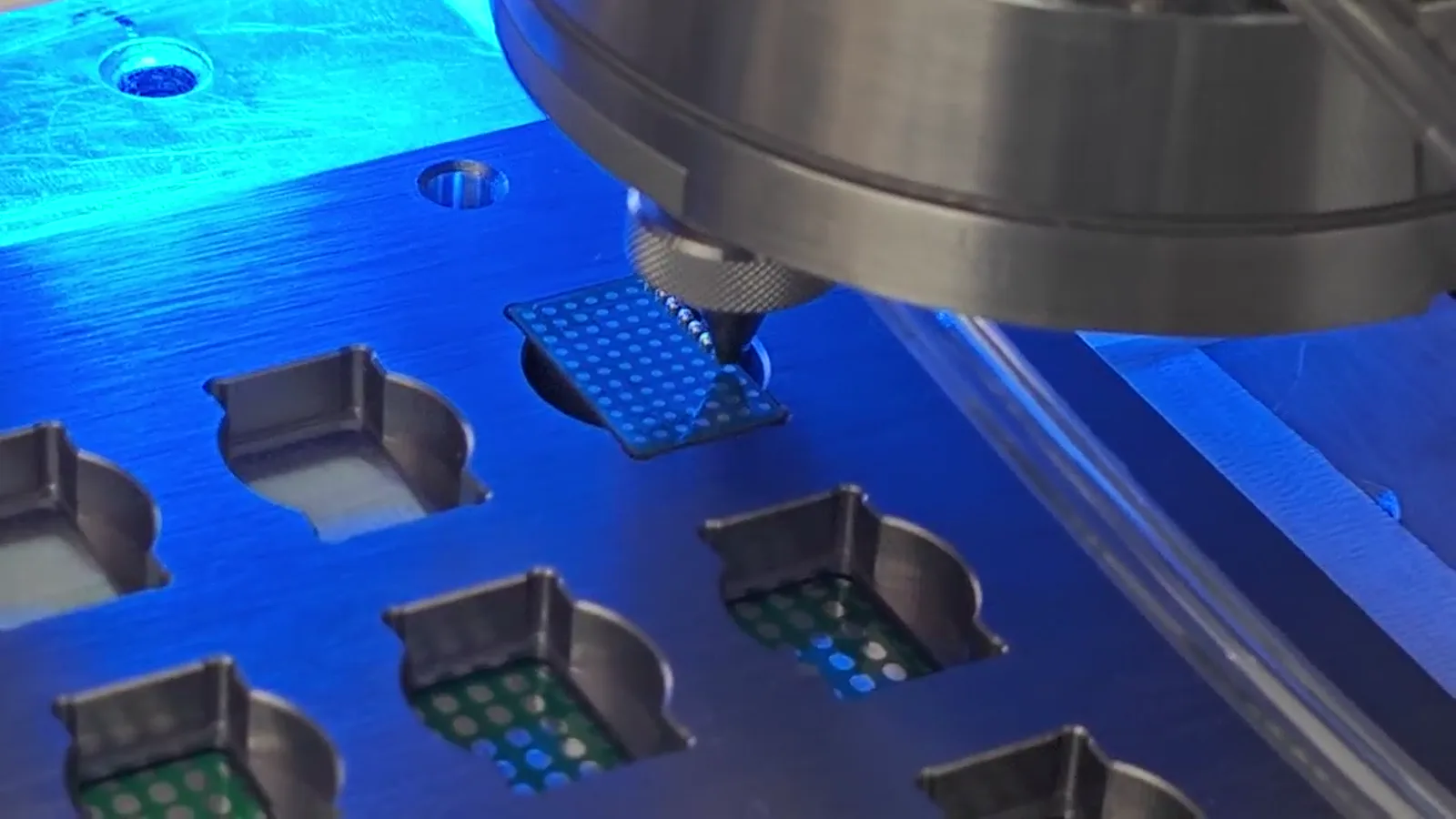
A concentrated soldering action may be evaluated for confined joints, but fixture support and protection of nearby package features are still part of the engineering problem. The nozzle path, reference strategy and part presentation must be visible in a representative test arrangement.

03

Build the evaluation around agreed evidence

The sample owner should define what is to be inspected and how success is judged. Process photography and visible joint appearance support the discussion, while any material, reliability or production conclusion requires the customer’s stated test method.

Application development guide

Move from a component label to a defined process question

MEMS evaluation needs a deliberately narrow process statement because package construction, sensitivity, access and allowable handling can vary widely. Localized laser soldering may be explored as a potential route only after representative samples and application restrictions are understood.

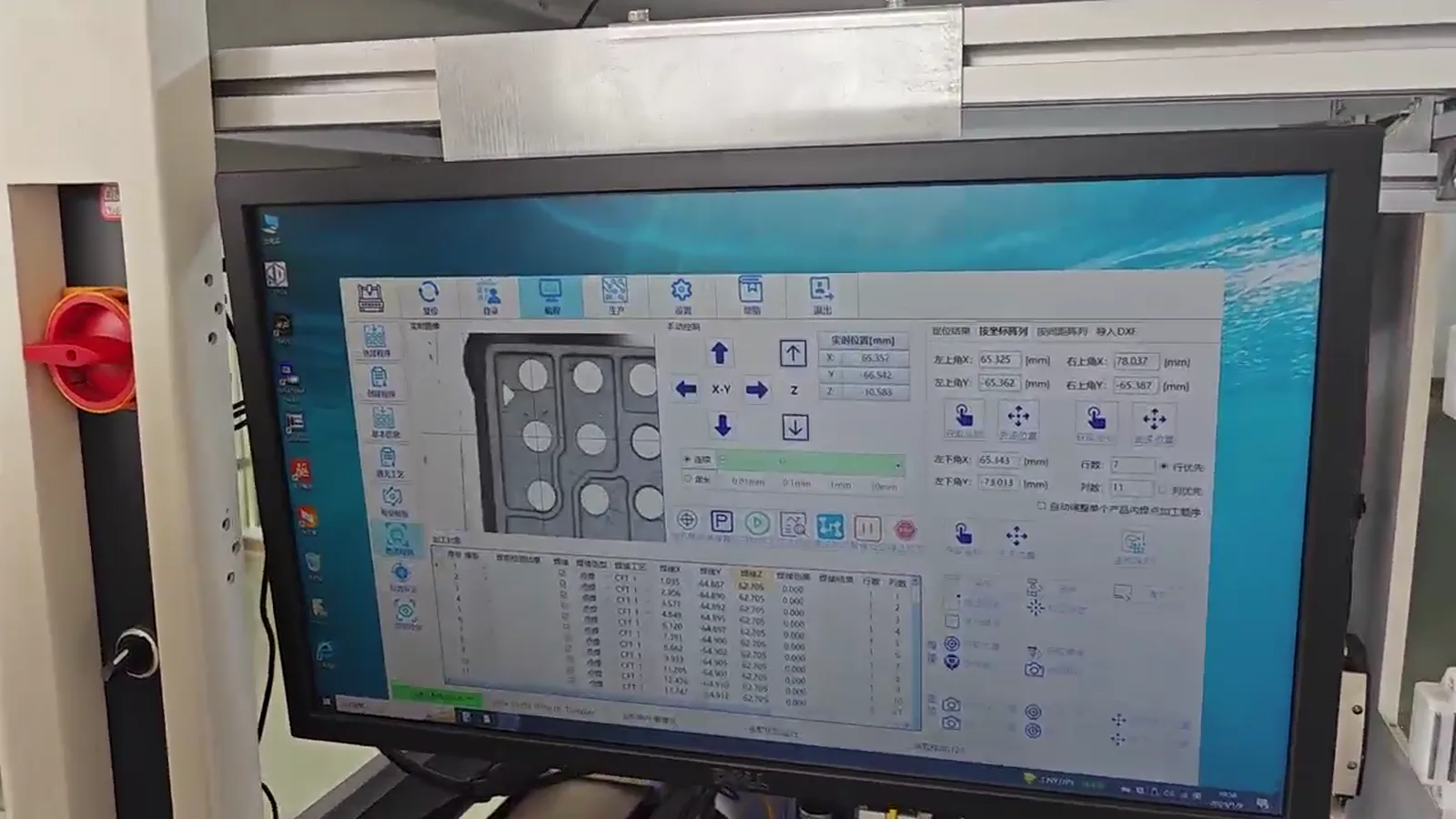
Supplied CCD machine-operation frame around a fixture and precision soldering work area
Supplied positioning and fixture context for a MEMS evaluation; it is not a claim about package qualification.

Evidence-aware process context

Use real supplied visuals to frame the review, not to overstate the result

The visible process relationship is useful for discussing access, fixture support, motion and position reference. It does not prove a material, industry or qualification claim for an unlabelled sample. The final process path should follow the component information and a representative evaluation.

Prepare a sample evaluation →

05

Use the actual package as the boundary of the claim

A MEMS-related package should not be treated as a generic small part. The review needs the intended joint, surrounding package features, available approach direction, support surfaces and customer-defined restrictions. A local process can only be assessed within that physical context. When a material, thermal, cleanliness or inspection condition is unknown, it should remain unknown until the application owner supplies the relevant requirement or sample evidence.

06

Fixture protection and position reference are co-dependent

The workholding approach can protect sensitive areas while establishing a repeatable datum. It should be evaluated together with the nozzle path and any camera reference. Vision may help locate a usable feature, but it does not eliminate the need for a stable part relationship or calibration between image coordinates and the physical jetting point. A controlled test arrangement makes these dependencies visible before a broader automation plan is considered.

07

Keep sample observations bounded

A real process video or before/after sample may demonstrate the type of localized process under discussion. It does not establish MEMS reliability, a package-specific thermal result or customer qualification. Record the tested component, selected conditions, fixture and visible observation, then review it against the owner’s specified inspection method. This provides a responsible basis for the next engineering decision.

Useful inputs

Prepare the information that can make a process review specific

  • Package drawings or close-up images
  • Target joint and surrounding clearance
  • Handling/protection restrictions
  • Defined inspection or qualification boundary

What matters in evaluation

Process considerations for MEMS

A feasibility review makes part-specific constraints explicit before automation is selected.

01

Sample-first feasibility testing

02

Controlled fixture and handling approach

03

Narrowly targeted energy and solder delivery

04

Inspection plan defined by the application owner

Configuration path

Choose the system after the process

A development configuration is commonly the first step; a larger automation concept should follow stable sample evidence rather than an assumed capability.

Explore custom automation

How to test

Prepare a useful sample evaluation

Send package drawings or photographs, pad/lead details, material information if known and the desired joint configuration.

View sample-testing process

Supplied sample evidence

Local processing, visible sample context

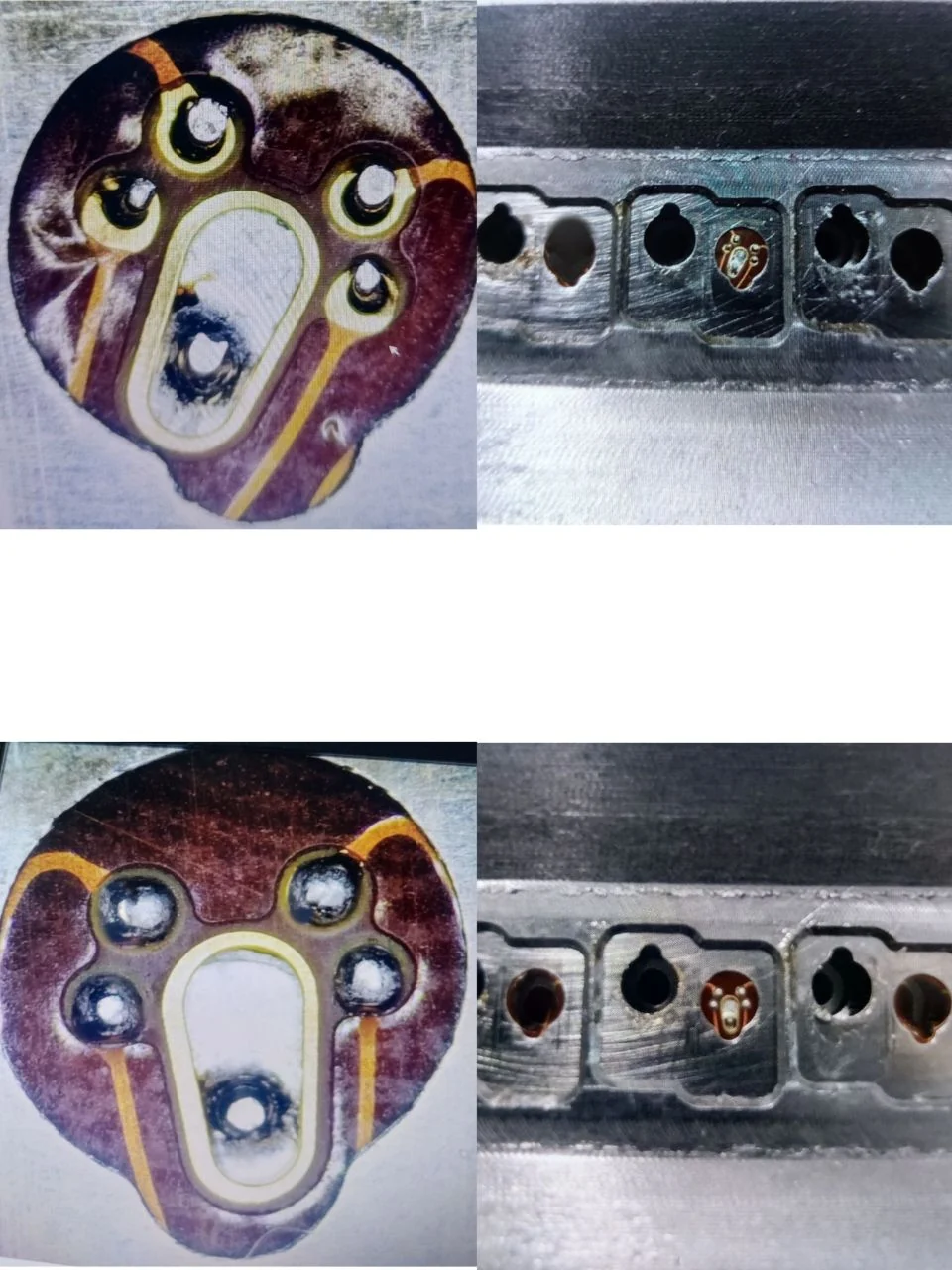
Sample photography supports technical discussion without attributing imagery to an undocumented customer or claiming mass-production results.

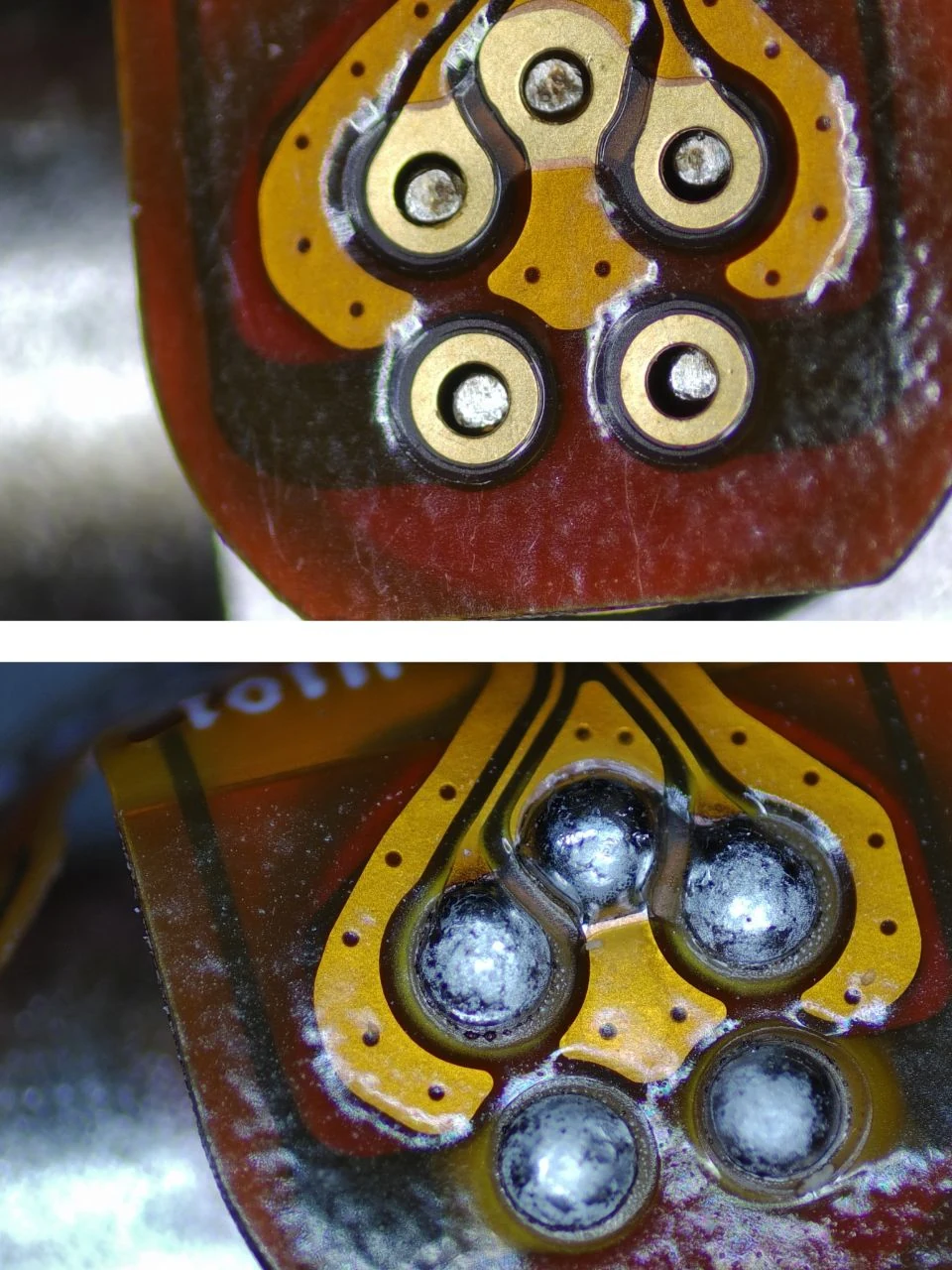
Real supplied sample imagery

Sample solder joint before / after processing

Before / After
Sample solder joint before laser solder ball processing
Before soldering
Sample solder joint after laser solder ball processing
After laser solder ball processing

Real supplied images; visible appearance should be judged against the requirement for the actual component.

Have a micro-soldering application to evaluate?

Send the component information. Start with the process.

Share drawings, sample photographs or soldering requirements. The engineering discussion can connect the component to a suitable process and machine configuration.

WhatsApp Email