Start with the datum
A camera does not remove the need for a stable part reference. The application review should identify what feature, edge, fiducial or fixture location meaningfully defines the soldering position.
Use images that support the process
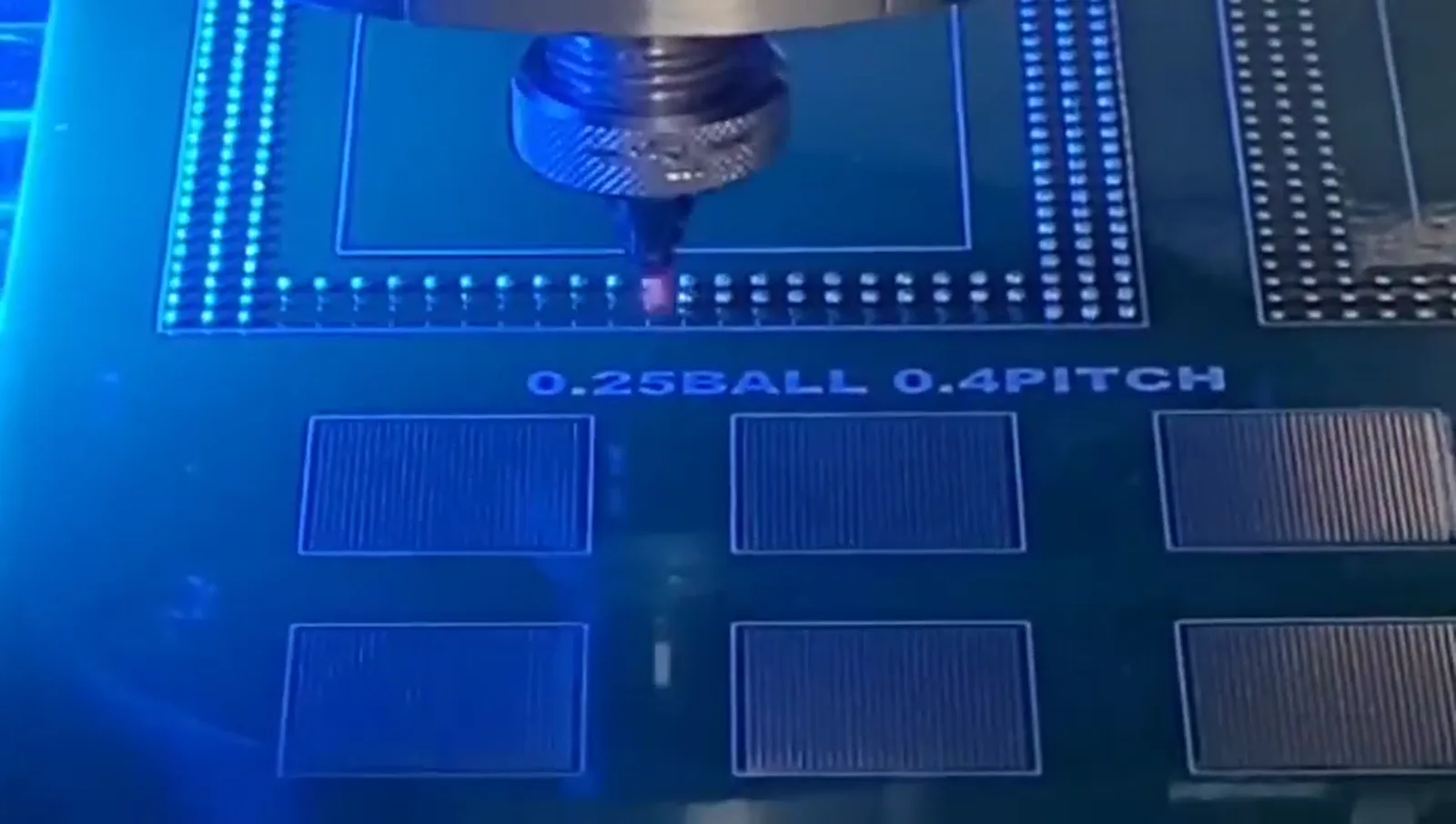
Lighting, contrast, component surface and field of view influence a vision result. The image strategy should be trialled with representative components rather than added as an abstract specification.
Coordinate camera and motion
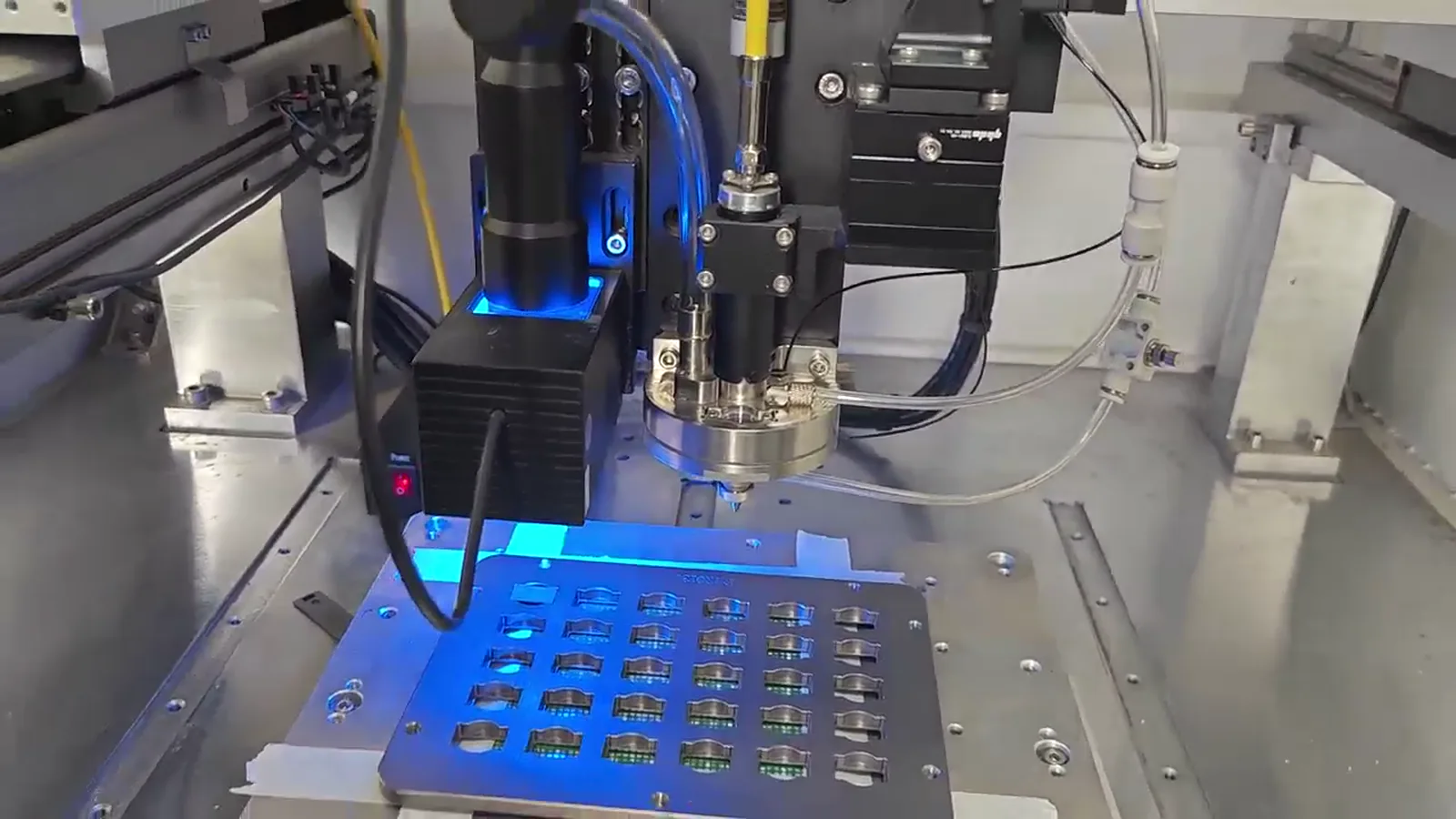
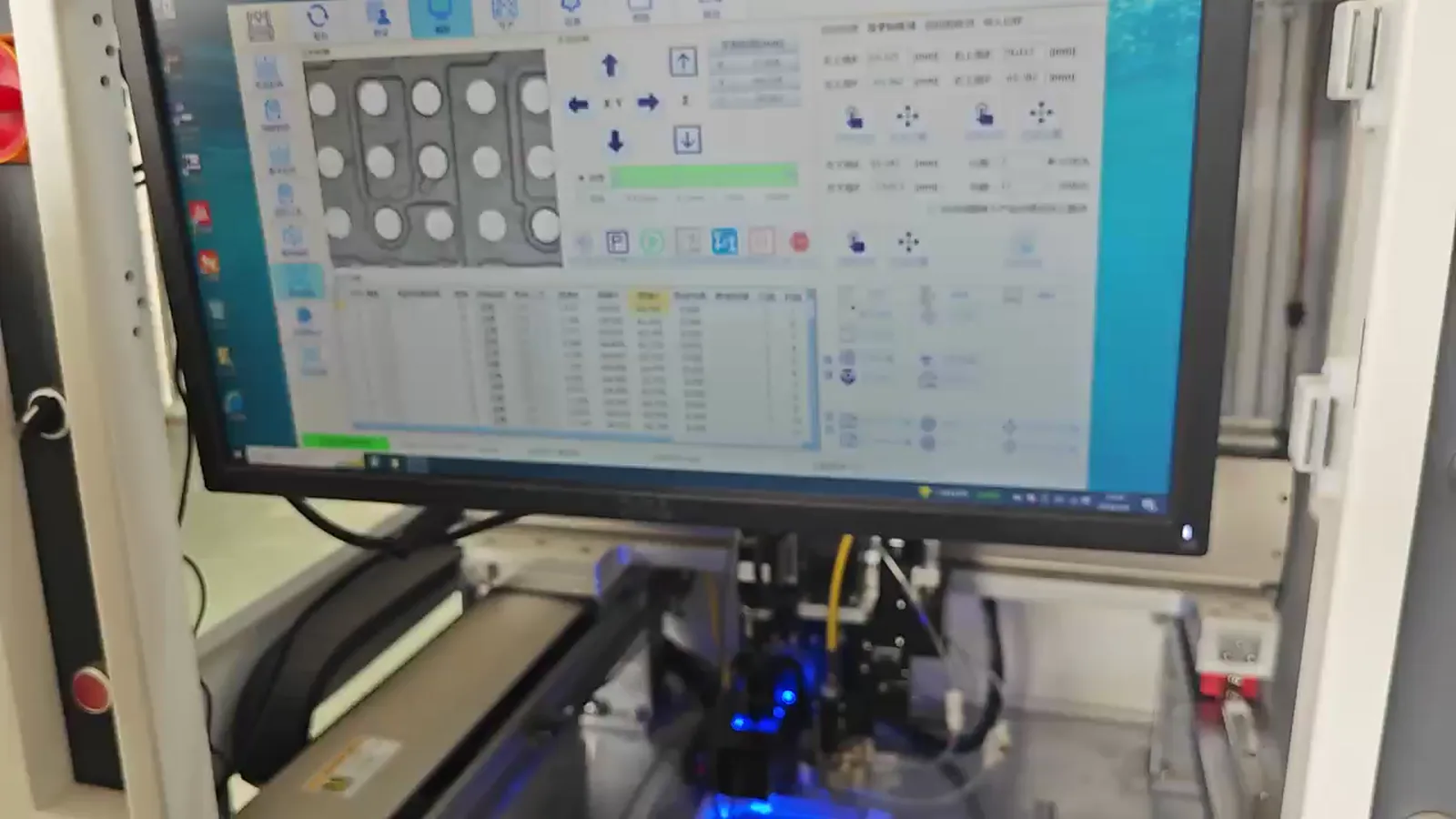
The vision result must be connected to the motion coordinate system and the physical jetting point. That relationship is an engineering calibration task, not merely a camera selection.
Keep accuracy claims configuration-specific
The supplied documentation cites ±10 μm vision positioning for one described system. Project documentation should keep any such value with its associated configuration and application conditions.